A diagnosis involving the brain can be overwhelming. As a board-certified neurosurgeon, Dr. Cho provides clear, compassionate guidance — and takes the time to explain the diagnosis, the procedure, and what to expect in recovery — so you never feel like you’re navigating this alone.
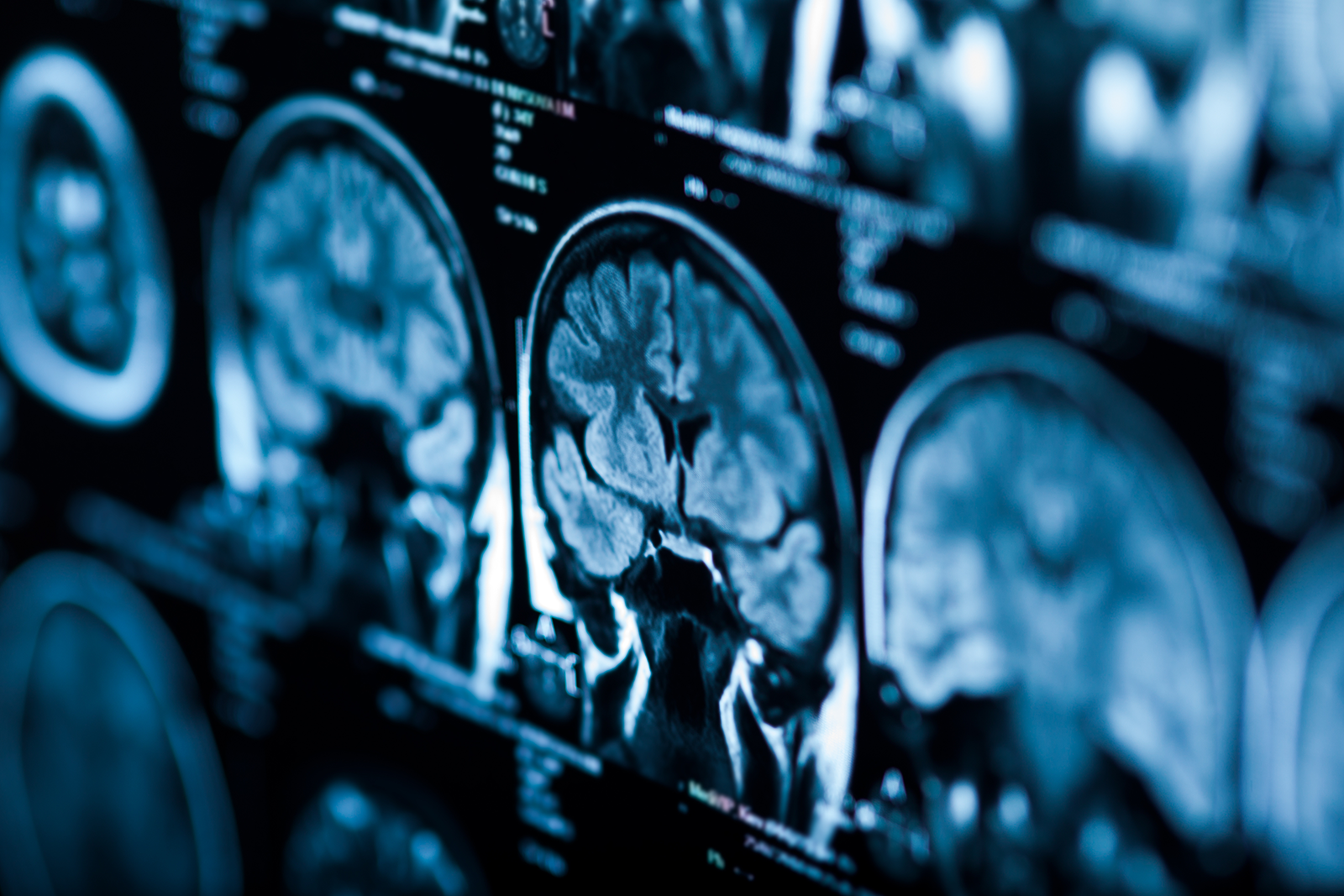
Advanced imaging and neuronavigation guide the surgical approach. A section of skull bone is temporarily removed, the tumor or lesion is carefully removed using microsurgical techniques, and the bone flap is replaced and secured. Hospital stay typically 3–5 days depending on complexity.
Abnormal growths in or around the brain that may be benign or malignant, primary or metastatic. A craniotomy — in which a section of skull bone is temporarily removed — allows direct surgical access for tumor removal, biopsy, or treatment of blood clots, abscesses, and vascular lesions.
A structural condition where brain tissue (cerebellar tonsils) extends into the spinal canal, blocking cerebrospinal fluid flow and potentially compressing the brainstem. Not all Chiari findings require treatment — surgery is recommended only when symptoms are clearly attributable to the condition and imaging demonstrates impaired cerebrospinal fluid flow.

A small incision is made at the back of the head and upper neck. A portion of bone at the skull base is removed, and a C1 laminectomy may be performed for additional decompression. A dural patch (duraplasty) is often placed to expand the available space and restore cerebrospinal fluid flow. Hospital stay typically 2–4 days.
As a board-certified neurosurgeon, Dr. Cho is trained in the full spectrum of cranial and brain surgery. These procedures require precision, experience, and a surgeon who takes the time to explain the diagnosis, the procedure, and what to expect in recovery.

A surgical procedure in which a section of bone is temporarily removed from the skull to access the brain. Most commonly performed for brain tumor removal, but also used for blood clots, abscesses, and vascular lesions.
Advanced imaging and neuronavigation guide the approach. A section of skull bone is temporarily removed, the tumor or lesion is carefully removed with microsurgical techniques, and the bone flap is replaced and secured. Hospital stays typically 2–5 days depending on complexity.
Removal of a small portion of bone at the base of the skull to relieve pressure in the posterior fossa. The primary surgical treatment for symptomatic Chiari malformation.
A small incision at the back of the head and upper neck. A portion of bone at the skull base is removed, and a C1 laminectomy may be performed for additional decompression. A dural patch (duraplasty) is often placed to expand the space and restore cerebrospinal fluid flow. Hospital stays typically 2–4 days.